
Physical bank branches across the United States are closing at an accelerating pace as fintech innovation, consumer behavior shifts, and cost pressures reshape the financial landscape. By 2026, experts predict that physical branches may become nearly obsolete as digital wallets, AI-driven tools, and neo-banks take over everyday financial transactions. This article explains why this transition is unfolding faster than anticipated, what it means for Americans, and how to prepare for the country’s most dramatic banking disruption in decades.
For generations, physical bank branches represented financial security, trust, and human service. They were places where people deposited checks, took out loans, asked questions, and met their local bankers. But the familiar landscape of brick-and-mortar banking is disappearing—and far faster than most Americans realize. According to the FDIC, more than 7,000 U.S. bank branches have closed since 2017, and the trend is accelerating as banks redirect budgets into digital-first operations.
Major financial institutions like Bank of America, Wells Fargo, Chase, and PNC have quietly accelerated branch cutbacks due to rising operational costs and declining foot traffic. Meanwhile, fintech challengers—Chime, Cash App, SoFi, Varo, and Revolut—are attracting millions of new users with fee-free, mobile-first financial services that traditional banks struggle to match.
These converging forces are pushing the U.S. toward a future where physical banks become rare. Many analysts now believe 2026 may mark the tipping point—the year when branches stop being a mainstream feature of American banking.
This article dives deep into the reasons behind the shift, the technologies accelerating it, and the impact it will have on everyday consumers. Whether you’re a tech enthusiast, an investor, or simply someone trying to prepare for a changing financial system, this comprehensive guide walks through everything you need to know.
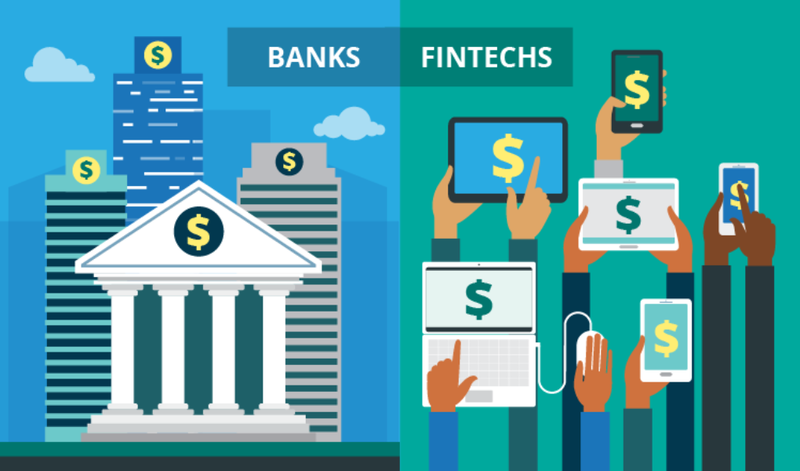
Why Physical Bank Branches Are Disappearing Faster Than Expected
The vanishing of bank branches isn’t being driven by a single factor. Instead, it’s the result of multiple powerful trends—economic, technological, and behavioral—colliding at the same moment.
1. Digital Banking Has Become the Default, Not the Exception
In the past, digital banking was a modern convenience. Today, it’s the primary way Americans manage their financial lives. According to the American Bankers Association:
- 71% of U.S. adults prefer mobile apps or online banking
- Only 10% prefer in-person branch visits
- 65% of younger generations never visit their primary bank branch at all
This shift cuts across age groups. Even older customers, who traditionally relied on branches, increasingly feel comfortable making digital transactions after the pandemic forced institutions to ramp up remote banking tools.
Real-life example:
Chase Bank reported a 40% decrease in in-branch transactions since 2019 as customers switched to mobile deposits and digital transfers. The fewer people walk into branches, the less reason banks have to keep them open.
2. Fintech Platforms Offer Services Banks Can’t Match Anymore
Fintech companies have broken the traditional banking mold by offering:
- Instant money transfers
- Early access to paychecks
- Zero-fee checking
- Real-time notifications
- Automated savings tools
- Micro-investing and rounded-up investing
- Instant credit approvals
These features aren’t just convenient—they give users more control and transparency than traditional banks historically offered.
Real-life example:
Chime has surpassed millions of users, growing faster than several regional banks. Its ability to deliver early direct deposits—sometimes up to 48 hours sooner than traditional banks—became one of the most popular reasons for switching.
Fintechs are agile, tech-centric, and hyper-focused on user experience. Banks, in contrast, are slowed by legacy technology systems and regulatory constraints.
3. Branches Are Extremely Expensive to Maintain
Operating physical branches costs financial institutions millions of dollars every year. These costs include:
- Staff salaries and benefits
- Leasing or maintaining physical buildings
- Security and compliance
- Utilities, insurance, and technology infrastructure
A McKinsey study found that banks can reduce 30–45% of operational costs by transitioning from branch-centered models to digital-first ecosystems. As competition grows tighter and margins shrink, banks simply can’t justify supporting thousands of underused branches.
4. AI and Automation Are Replacing Human Banking Tasks
Artificial intelligence is transforming how banks operate behind the scenes. Tasks that once required human intervention can now be handled instantly by automated systems.
AI already powers:
- Fraud detection
- Loan pre-approvals
- Customer service chatbots
- Predictive budgeting tools
- Personalized financial recommendations
Real-life example:
Bank of America’s AI assistant, Erica, handled 1.5 billion interactions in 2023—equivalent to the workload of thousands of human employees—without requiring a single physical branch.
By 2026, the maturity of AI models, including next-generation conversational agents, will make many branch-level jobs redundant.
5. The Pandemic Permanently Shifted Consumer Behavior
The pandemic forced Americans across all age groups to adapt to digital banking—even those who had never used an app before. Once customers saw how quickly they could pay bills, check balances, deposit checks, and transfer funds from home, most didn’t go back.
A Deloitte survey revealed:
- 78% of Americans increased digital banking usage during the pandemic
- 8 out of 10 expect to continue using digital channels long-term
Branches never regained their pre-pandemic foot traffic, and banks have responded by accelerating closures.
Why 2026 Is the Tipping Point for Branch Extinction
While branch closures have been steady for years, multiple upcoming shifts make 2026 a pivotal year where branches may become nearly obsolete in many areas.
1. AI Banking Will Reach Full Maturity by 2026
AI models are advancing rapidly. By 2026, financial institutions expect to rely on AI for:
- Automated loan underwriting
- Real-time fraud prevention
- Instant credit decisions
- Voice-first financial transactions
- Personalized financial coaching
- Fully automated customer support
As more processes become machine-driven, the need for human tellers and branch-level support will plummet.
2. Digital Wallet Adoption Will Surge Nationwide
Digital wallets—Apple Pay, Google Wallet, PayPal, Cash App—are expected to handle 70%+ of U.S. retail transactions by 2026.
These wallets can:
- Store payment cards
- Facilitate peer-to-peer payments
- Verify identity
- Hold digital IDs and transit passes
- Replace the need for checking accounts
Once most banking transactions happen in apps and wallets, physical branches become largely irrelevant.
3. Neo-Banks Will Outgrow Traditional Branch Networks
Neo-banks (digital-only banks) have explosive growth rates. Traditional banks are losing younger customers to these platforms, which offer:
- No overdraft fees
- Faster deposits
- Higher savings yields
- Intuitive app interfaces
Real-life example:
SoFi’s membership grew more than 40% year-over-year, outperforming nearly every traditional financial institution in customer acquisition.
By 2026, neo-banks may outnumber traditional banks in terms of active account users.
What Will Replace Bank Branches?
Branches are fading, but consumers won’t be left without support. Several alternatives will take their place:
1. AI-Driven Customer Support Centers
Always available, instant, and capable of more complex tasks than human staff.
2. Advanced Smart ATMs
Machines will be able to:
- Cash checks
- Issue debit cards
- Accept loan applications
- Dispense cashier’s checks
- Offer video banking support
3. Staffless Micro-Branches
Small pods located in retail centers that offer secure, automated banking experiences.
4. Retail Banking Partnerships
Banks may operate inside grocery stores, convenience stores, or pharmacies.
5. Fully Integrated Fintech Ecosystems
Digital apps offering checking, savings, lending, investing, insurance, and taxes—all in one environment.
What This Shift Means for Everyday Americans
The disappearance of branches brings opportunities—but also challenges.
Will seniors struggle with digital banking?
Some will, but banks are investing in accessibility tools:
- Larger font modes
- Simplified interfaces
- Dedicated phone banking support
- Smart ATMs that offer voice assistance
Will cash disappear entirely?
Not in the near term. But:
- Cash usage is at historically low levels
- Many stores prefer digital payments
- Younger generations rarely carry physical cash
Will rural communities be left behind?
Possibly in the short term. But fintech is expanding:
- Low-cost digital accounts
- Lower transaction fees
- AI-assisted financial education
Many rural users report that digital banking is easier than driving long distances to reach a branch.
How Americans Can Prepare Now
Here are actionable steps to protect yourself in a branchless future:
1. Set Up All Digital Banking Tools
Test mobile deposits, bill pay, and money transfers before your local branch closes.
2. Maintain Multiple Banking Relationships
Spread risk by keeping accounts at a fintech and a traditional bank.
3. Learn to Use Smart ATMs
They will replace most on-site banking services.
4. Strengthen Cybersecurity
Enable:
- Multi-factor authentication
- Real-time alerts
- Wallet security features
5. Keep a Small Amount of Emergency Cash
Digital outages can happen—preparation is smart.
10 FAQs About the End of Bank Branches (2025–2026)
1. Are banks really phasing out physical branches by 2026?
Many will. Large institutions are closing 10–20% of branches each year, and some regions may become nearly branchless by 2026.
2. Will this lead to more banking fees?
Fintech competition may keep fees low, but some banks could add digital service fees to make up for lost branch revenue.
3. How will people who rely on in-person banking get help?
Banks will offer video tellers, enhanced call centers, and retail partnerships to provide hybrid support.
4. Will ATMs still be available?
Yes—ATMs will evolve into multifunction kiosks that handle most teller tasks.
5. Are digital-only banks safe?
Most partner with FDIC-insured institutions, providing the same insurance as traditional banks.
6. Can AI replace human bankers?
AI will handle most routine tasks, but complex financial planning and wealth management may still benefit from human expertise.
7. Can Americans still apply for mortgages and loans without branches?
Absolutely—most banks already process applications online with instant pre-approvals.
8. What about older customers uncomfortable with technology?
Banks are developing simplified digital interfaces and offering training sessions for seniors.
9. How will this impact small towns?
Physical branches may disappear, but digital financial services will become more accessible than ever.
10. Will America become fully cashless?
Not immediately, but digital payments will dominate everyday transactions by the end of the decade.
Final Thoughts: The Era of Invisible Banking Has Arrived
The U.S. financial system is undergoing its fastest transformation since the invention of the ATM. By 2026, physical bank branches may no longer be the backbone of banking—they will be the exception. Fintech growth, evolving consumer expectations, and the rapid rise of artificial intelligence are redefining how Americans interact with money.
For many, this shift represents convenience, speed, and financial empowerment. For others, it brings uncertainty and a need to adapt. But one thing is clear: the future of banking is digital, automated, and increasingly branchless. Preparing for that future now ensures you can take full advantage of the new financial landscape.
