
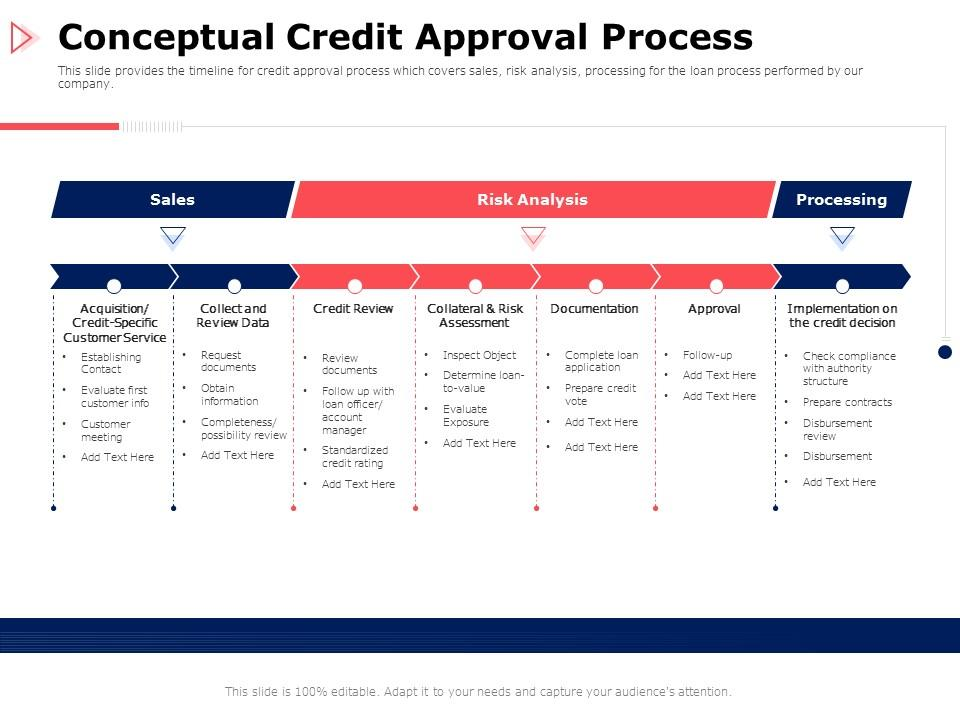
Every loan decision—from mortgages to personal loans—relies on sophisticated algorithms that most borrowers never see. These algorithms evaluate credit scores, debt ratios, behavioral patterns, and alternative data to decide approvals and rejections. This article reveals how banks’ secret formulas work, what factors influence your loan outcomes, and practical strategies to improve your chances in today’s automated lending environment.
Introduction: When Loan Approvals Feel Mysterious
Imagine applying for a loan and getting rejected—without an explanation. Then, someone with a similar financial profile is approved. This is not coincidence—it’s the result of banking algorithms, sophisticated systems that analyze millions of data points in seconds.
Banks claim these algorithms make lending decisions faster, fairer, and more accurate. Critics argue they can hide biases and penalize behaviors outside traditional metrics. Understanding how these algorithms operate is crucial for navigating modern lending successfully.
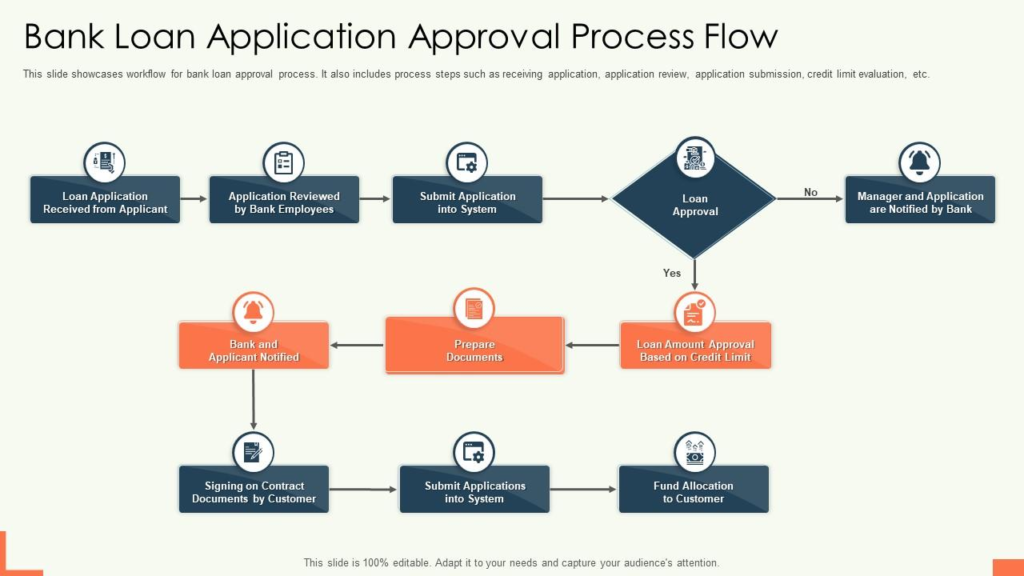
How Banks Use Algorithms to Make Lending Decisions
Algorithms are now at the heart of loan approvals. Human loan officers still exist, but automated systems are increasingly relied upon. The process generally includes:
1. Credit Scores as a Baseline
Your FICO or VantageScore summarizes payment history, credit utilization, account age, and recent inquiries. It’s the foundation for most algorithmic assessments.
2. Debt-to-Income Ratio (DTI)
Algorithms evaluate how much debt you carry relative to your income. A high DTI signals greater repayment risk.
3. Behavioral Patterns
Some banks now analyze account behavior, including transaction frequency, savings habits, and spending trends.
4. Predictive Analytics
Machine learning predicts your probability of default based on historical data and economic factors.
5. Fraud and Risk Flags
Unusual activity or patterns inconsistent with your profile can trigger automatic declines.
6. External Data Integration
Certain banks incorporate alternative data, such as utility payments, rent history, or employment stability, to refine lending decisions.
Key takeaway: Loan approvals are probabilistic, aiming to balance risk and opportunity.
Real-Life Example: Two Borrowers, Same Score, Different Outcomes
Consider Alice and Bob:
- Both have a FICO score of 720
- Both earn $60,000/year
- Both have $15,000 in credit card debt
Alice applies for a personal loan and is approved. Bob is rejected.
Why? Alice has consistent savings, low recent credit inquiries, and steady transactions. Bob recently closed two credit cards and had irregular deposits, which triggered automated risk alerts.
This example illustrates that algorithms weigh nuanced behavioral patterns, not just credit scores.
Hidden Factors Influencing Loan Decisions
While credit scores matter, secret algorithms evaluate a variety of subtle factors:
- Account Activity – Regular deposits demonstrate stability.
- Spending Habits – Excessive discretionary spending may signal risk.
- Employment Patterns – Frequent job changes can affect perceived income stability.
- Regional Economic Factors – Certain regions may be weighted differently.
- Loan Type & Amount – Smaller loans often have higher approval rates.
Tip for consumers: Being aware of these hidden factors can help you optimize your profile before applying.
How AI is Changing the Lending Landscape
Artificial intelligence is transforming loan decisions in several ways:
- Dynamic Credit Scoring: Credit scores now adjust in real time based on transactions and balances.
- Alternative Data Use: Utility bills, rent, and subscription payments can improve credit access.
- Fraud Detection: AI identifies suspicious patterns, reducing identity fraud.
- Portfolio Optimization: Banks use AI to allocate credit efficiently while minimizing defaults.
AI speeds decisions but can also make outcomes less transparent, leaving applicants uncertain about rejection reasons.
Practical Tips to Improve Loan Approval Odds
- Check Your Credit Report for errors prior to application.
- Maintain Consistent Account Activity to demonstrate financial stability.
- Reduce Revolving Credit Utilization to improve scoring signals.
- Limit Hard Inquiries on credit in the months leading up to application.
- Consider Alternative Lending Platforms that use inclusive scoring.
Real-life cases show that targeted adjustments can convert a rejection into an approval within months.
Frequently Asked Questions (FAQs)
1. Can a loan be rejected even with a high credit score?
Yes. Factors like DTI, account activity, and recent financial behavior can override a high score.
2. Do banks share algorithm details with applicants?
Generally no; these models are proprietary to prevent exploitation.
3. What is alternative data, and how does it affect loan approval?
Alternative data includes rent, utilities, and subscription payments. Positive patterns can enhance approval odds.
4. Can I challenge an automated loan rejection?
Yes. Under the Equal Credit Opportunity Act, you can request an explanation for the denial.
5. Do AI-driven models reduce bias?
They aim to, but biases can exist if historical data is skewed.
6. How do behavioral patterns influence loan approval?
Regular deposits, predictable spending, and low-risk transaction history increase approval probability.
7. Are online-only banks more strict with algorithms?
Often, as they rely heavily on automated and alternative data scoring.
8. Does applying for multiple loans hurt chances?
Yes, multiple hard inquiries can lower credit scores and trigger risk flags.
9. Can I improve my approval odds quickly?
Yes. Paying down debt, stabilizing accounts, and minimizing new credit inquiries helps.
10. How frequently do banks update their algorithms?
Banks routinely update models to adapt to economic changes, regulatory guidance, and emerging risk patterns.
Ethical Considerations and Controversies
- Opacity: Borrowers rarely understand why they were denied.
- Potential Bias: Historical data may encode demographic or geographic biases.
- Limited Appeal Mechanisms: Challenging algorithmic decisions can be cumbersome.
Regulators are increasingly scrutinizing AI in lending to ensure fairness and transparency.
The Future of Algorithmic Lending
- Greater Personalization: AI may tailor interest rates based on micro-behaviors.
- Inclusive Scoring: Alternative data helps underbanked individuals access credit.
- Real-Time Decisions: Instant approval or denial based on live account data.
- Enhanced Regulation: Expect more transparency and accountability mandates.
Consumers who understand these trends can strategically manage their financial profiles.
Suggested Social Media Hashtags
- #FintechAI
- #LoanApprovalSecrets
- #CreditScoreTips
- #BankingAlgorithms
- #FinanceTransparency
- #PersonalFinance
- #SmartLending
- #AlternativeData
- #LoanApproval
- #FinancialLiteracy
Conclusion: Work Smarter Within the Algorithm
Loan algorithms are not magic—they are highly calibrated, data-driven systems. Understanding the factors they evaluate—from credit history to subtle behavioral patterns—gives consumers an edge. By monitoring finances, leveraging alternative data, and staying informed, you can improve your loan approval odds in a system that increasingly relies on automation.
Key takeaway: Success is no longer just about earning or saving—it’s about aligning your financial behavior with what algorithms value most.
